For example, when the Council of Nicea met in the 4th century, participants determined Yeshua’s death and resurrection would be celebrated according to the Gregorian calendar rather than the Jewish one. This effectively separated these pivotal events from the biblical holiday of Passover, which deepened the wedge that had grown between followers of the Messiah and the Jewish roots of their faith.
But God never ordained that separation. Yeshua died on Passover and rose on Firstfruits. That is an intentional and meaningful part of the redemption story that God tells throughout Scripture.
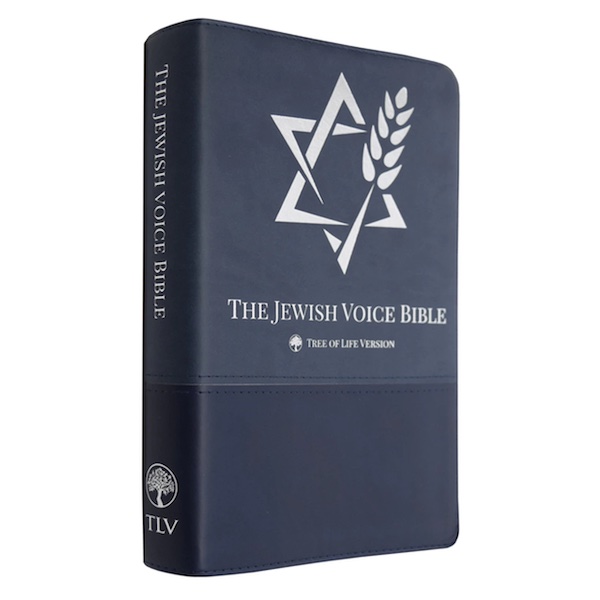
This is just one of many concerns that inspired the quest for a Bible translation to restore the scriptural links to the Jewish roots of our faith. A team of Messianic Jews launched a project that brought together some of the brightest biblical scholars – both Jewish and Gentile – to create the Messianic Jewish Family Bible and the Tree of Life Version (TLV).
The Tree of Life Version speaks with a “Jewish-friendly voice – a voice mirroring the Bible authors themselves – to recover the authentic context of the Bible,” according to the TLV Bible Society. Most Bible translations don’t reveal the Jewish consistency across the entire Word of God. The Messianic Jewish Family Bible recovers this set-aside continuity.
Not long after the Messianic Jewish Family Bible was published, the TLV was invited to join SIL International’s Translator’s Workplace. (SIL is a Christian organization, formerly known as the Summer Institute of Linguistics.) The Translator’s Workplace is an impressive collection of reference materials chosen to aid the work of Bible translators. It provides cross-references of every Bible translation in every known language for accurately translating the original biblical manuscripts into a new language. Now, that library also includes the Tree of Life Version.
To effectively reach Semitic cultures with God’s Word, they reached out requesting the TLV be added to the Translator’s Workplace. Semitic culture is much different than
Western thought – even the best translators have a difficult time finding the right wording or phrasing to bring over the true meaning without paraphrasing (TLV Blog).
The invitation from Translator’s Workplace is a significant honor to the team who created the TLV and Messianic Jewish Family Bible. Its presence within the reference library will be extremely beneficial to translators in gaining a better understanding of how to translate the Scriptures into new languages while considering the original Jewish context.
Restoring
The Messianic Jewish Family Bible revives the Jewish essence of the Holy Scriptures by restoring eight important aspects:
· The Jewish name of the Messiah, Yeshua
· Reverence for the four-letter unspoken name of God
· Clarity between the Creator and creation in the text – returning capitalized pronouns for God
· Hebrew terminology that most translations overlook
· Key names within the biblical text to a more Hebraic expression that reconnects Messiah to His Jewish family
· The earlier work of translators by providing new terms for words whose meanings have become altered by language changes over the centuries
· The Jewish culture of Yeshua’s day through art and documented biblical holiday observance
Clarifying
The Messianic Jewish Family Bible also clears up four points of confusion common in other translations, such as terminology referring to:
· People who are not born Jewish
· The “synagogue” and “church”
· The “Jews” of the New Covenant
· The “law”
Meaningful Features
The Messianic Jewish Family Bible includes a variety of additional features to inspire Messianic Jews and other Believers and help them grow in their faith. These include:
· Weekly Torah Readings
· 83 Messianic Jewish illustrations
· Insightful introductions to each book
· Shabbat Family Prayers
· Hebrew Word Glossary
· Messianic Prophecy Footnotes
· Headings to reveal story topics
· Original Maps
The Messianic Jewish Family Bible is an exceptional tool for studying God’s Word and sharing our faith as Messianic Jews. For Gentile Believers, it opens the invaluable Jewish context of the Bible that, sadly, has been lost in most modern translations.



Scriptures show us that God set apart the Jewish people
Discover the power of confessing God's Word in Hebrew. Jewish Voice Ministries announces volume 6 of Jonathan Bernis' series: El Shaddai – The God Almighty.
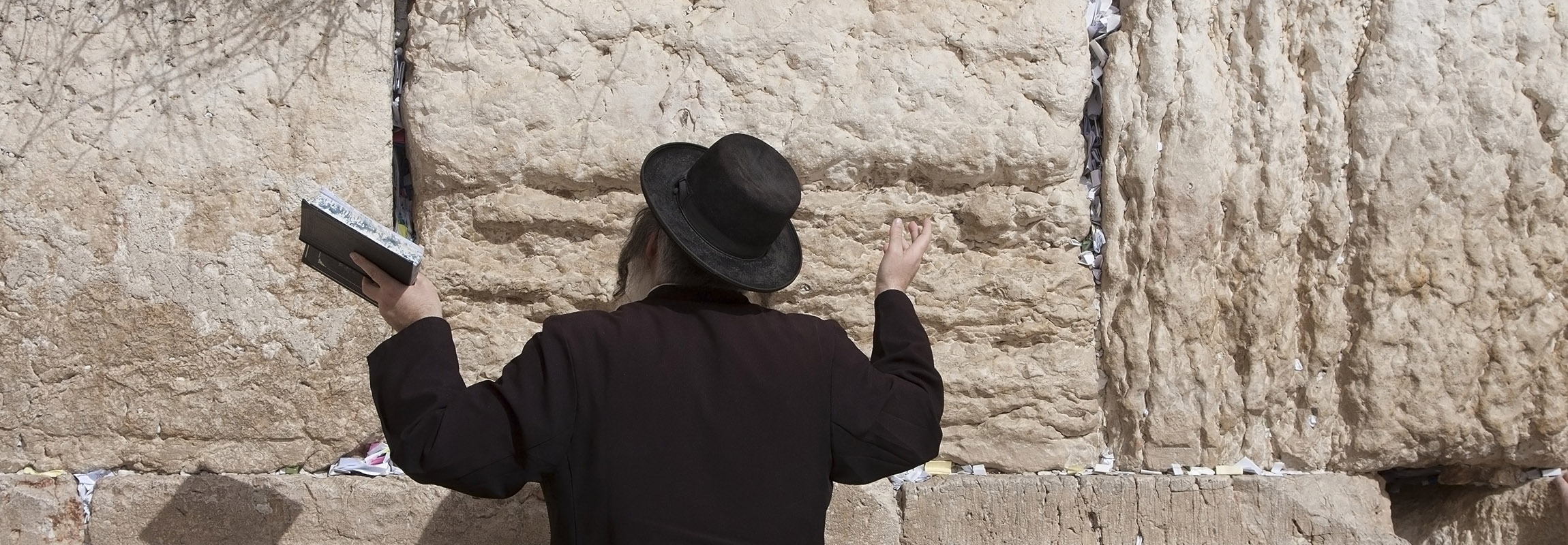
Prayers and blessings are fundamental to Jewish worship, and therefore to worship in Messianic Judaism as well. The Siddur (SID-dur), the Jewish prayer book, contains prayers and blessings used as liturgy in daily and special services at synagogue.
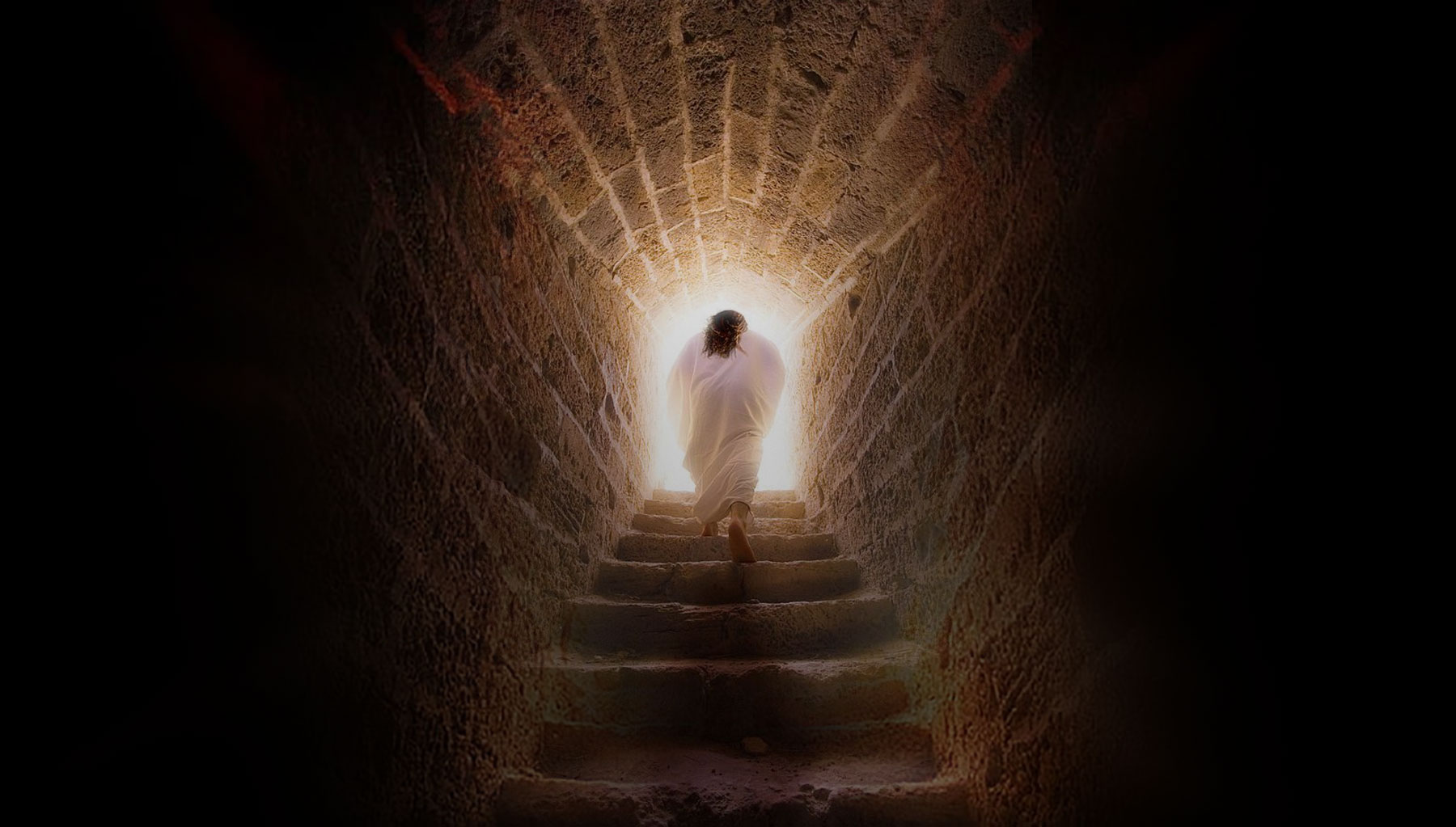
Yeshua HaMashiach (Yeh-SHOO-ah Ha-Mah-SHEE-akh) is Hebrew for “Jesus the Messiah ” Yeshua is a shortened version of the name Yehoshua (Yeh-HO-shoo-ah), which means “Adonai saves ” Mashiach is the Hebrew word for Messiah and means “anointed one