Beyond the Broadcast: Our Bold New Season Begins. Watch Now ->
Beyond the Broadcast: Our Bold New Season Begins. Watch Now ->
Chanukah is an eight-day holiday commemorating a miracle of light that took place after God delivered the Jewish people from Syrian-Greek oppressors.






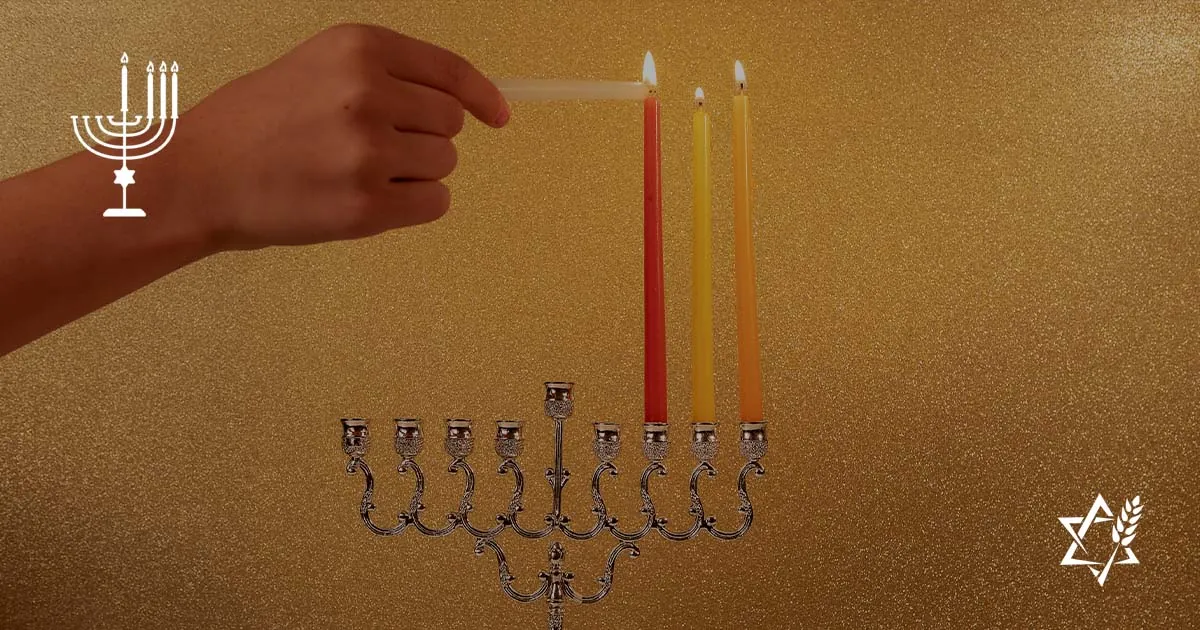
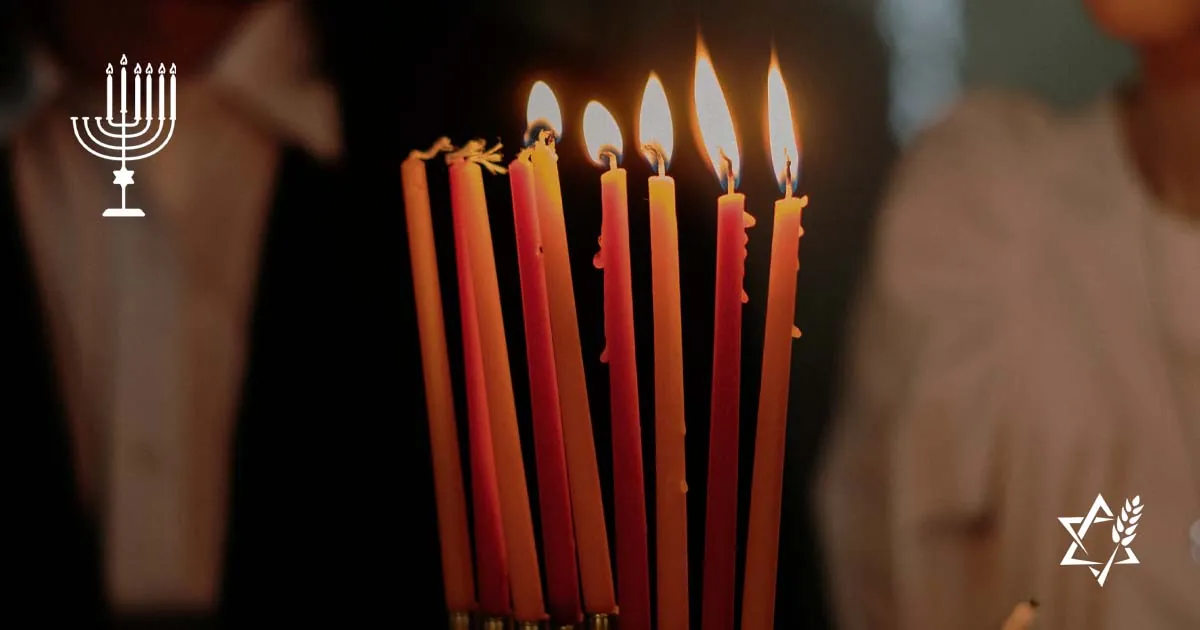
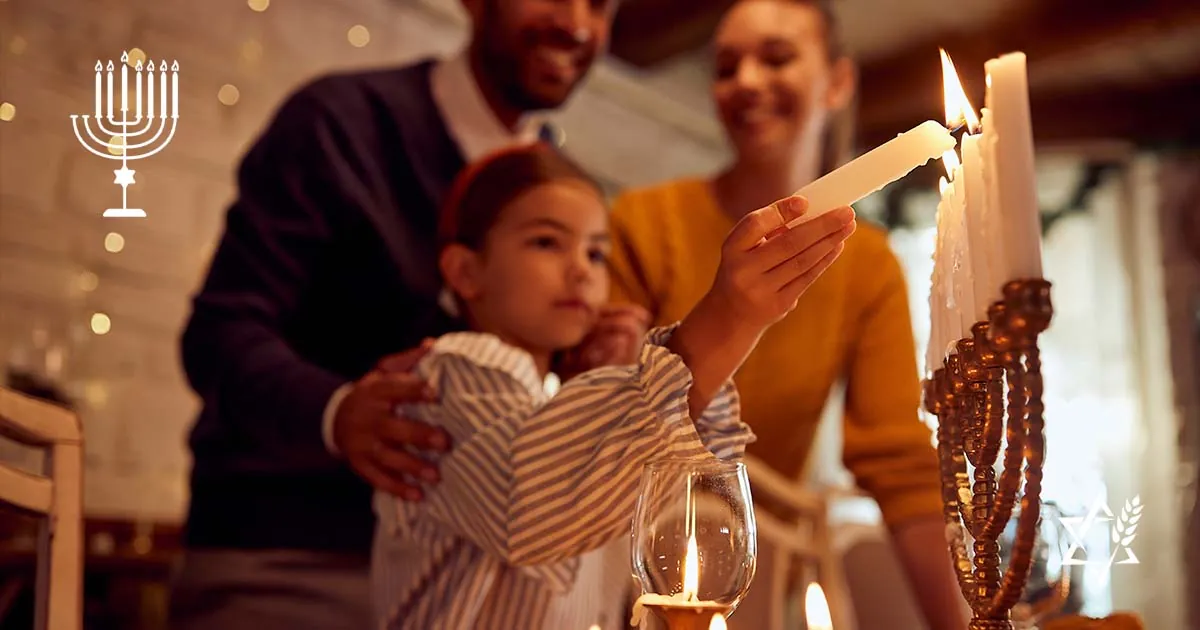
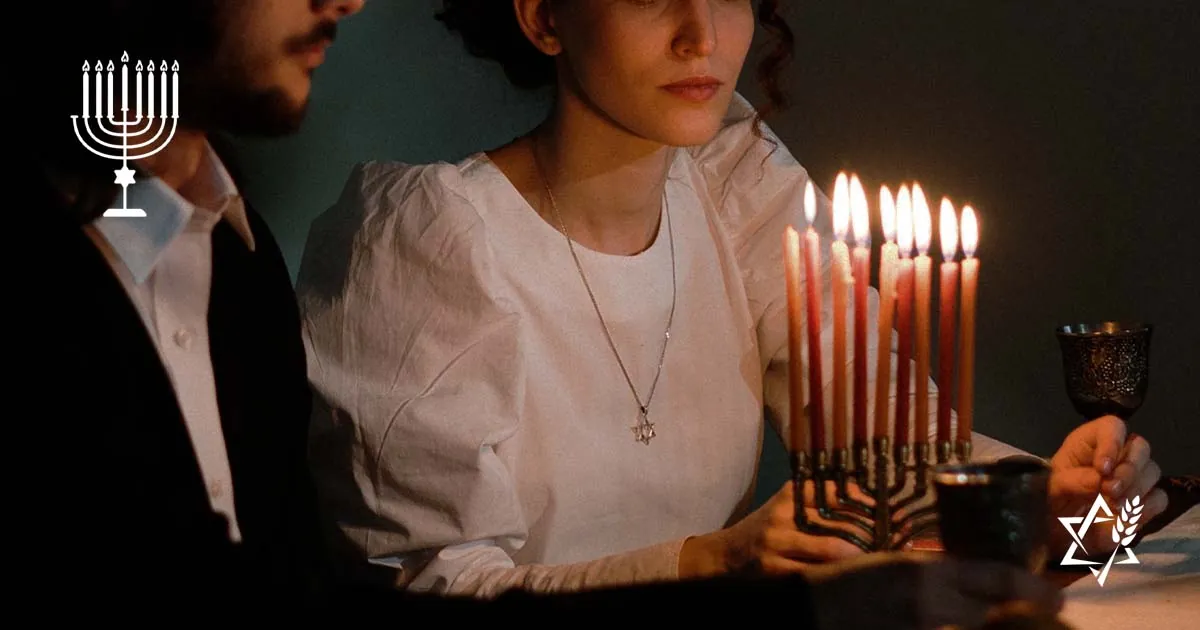
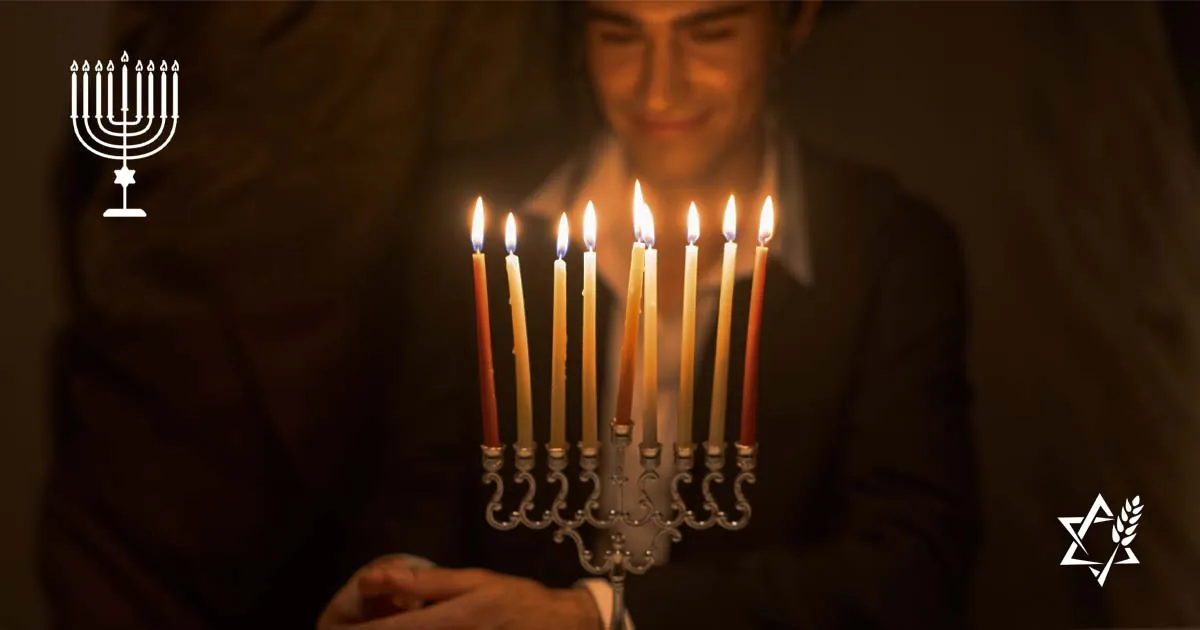
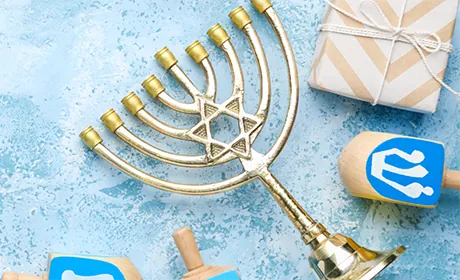
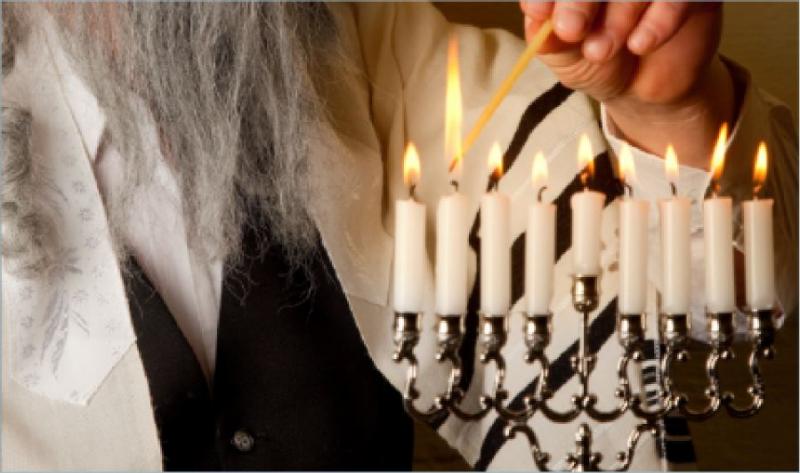
When you think of Chanukah, it's almost certain that a Chanukah menorah comes to mind. This iconic candle holder is actually called a chanukiah and is different from a menorah. A menorah has seven branches, while a chanukiah has nine candle holders, including one set apart from the others.
Chanukah and its lampstand are loaded with meaning. Chanukah is an eight-day commemoration of a victory, a miracle, light and rededication. The holiday is also called the Festival of Lights and the Feast of Dedication.
In the second century BCE, Antiochus Epiphanes ruled the Seleucid Empire, which included Judea. He outlawed Jewish practices, burned the Torah, and violently punished those who observed Jewish traditions. He desecrated the Temple by erecting an altar to Zeus and sacrificing pigs within its sacred walls.
A small band of Jewish fighters, led by Mattathias and later his son Judah Maccabee, rose up against this oppression. Against all odds, they defeated the mighty Syrian-Greek army and reclaimed the Temple.
When the Maccabees went to rededicate the Temple, they found only one small cruse of consecrated oil—enough to light the Temple menorah for just one day. Miraculously, this oil burned for eight days, giving them time to prepare new consecrated oil. This miracle is why we celebrate Chanukah for eight nights, lighting an additional candle each night.
Chanukah is a holiday to celebrate God's faithfulness and provision. It reminds us that God can use the few to overcome the many, and that His light shines even in the darkest times.
For Messianic Jews and Christians, Chanukah holds special significance. Yeshua (Jesus) Himself celebrated this holiday, as recorded in John 10:22-23. He is the true Light of the World, and Chanukah points us to Him.